
Trains in Spain. (Renfe)
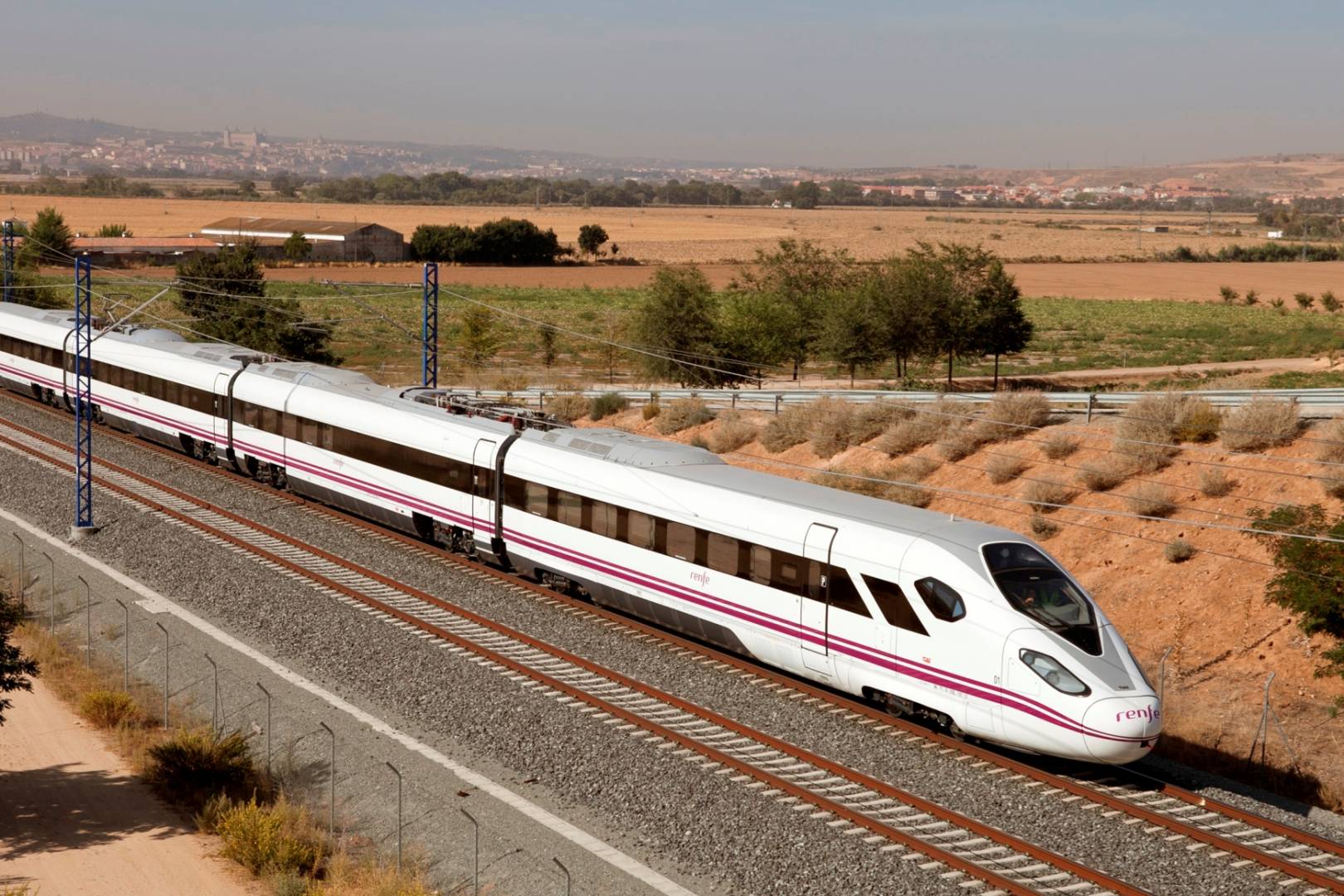
Spanish State Railways
The national railways in Spain are operated by the organization Renfe (Red Nacional de los Ferrocarriles Españoles), which translates to “The Spanish National Railway Network.” Renfe is a public company that owns most of the country’s railways. The network includes both high-speed and conventional trains. The two main types of high-speed trains operated by Renfe are the AVE (Alta Velocidad Española) and the Avant, both of which are part of the wider AVE network. These trains are known for their speed, comfort, and efficiency in connecting Spain’s major cities.
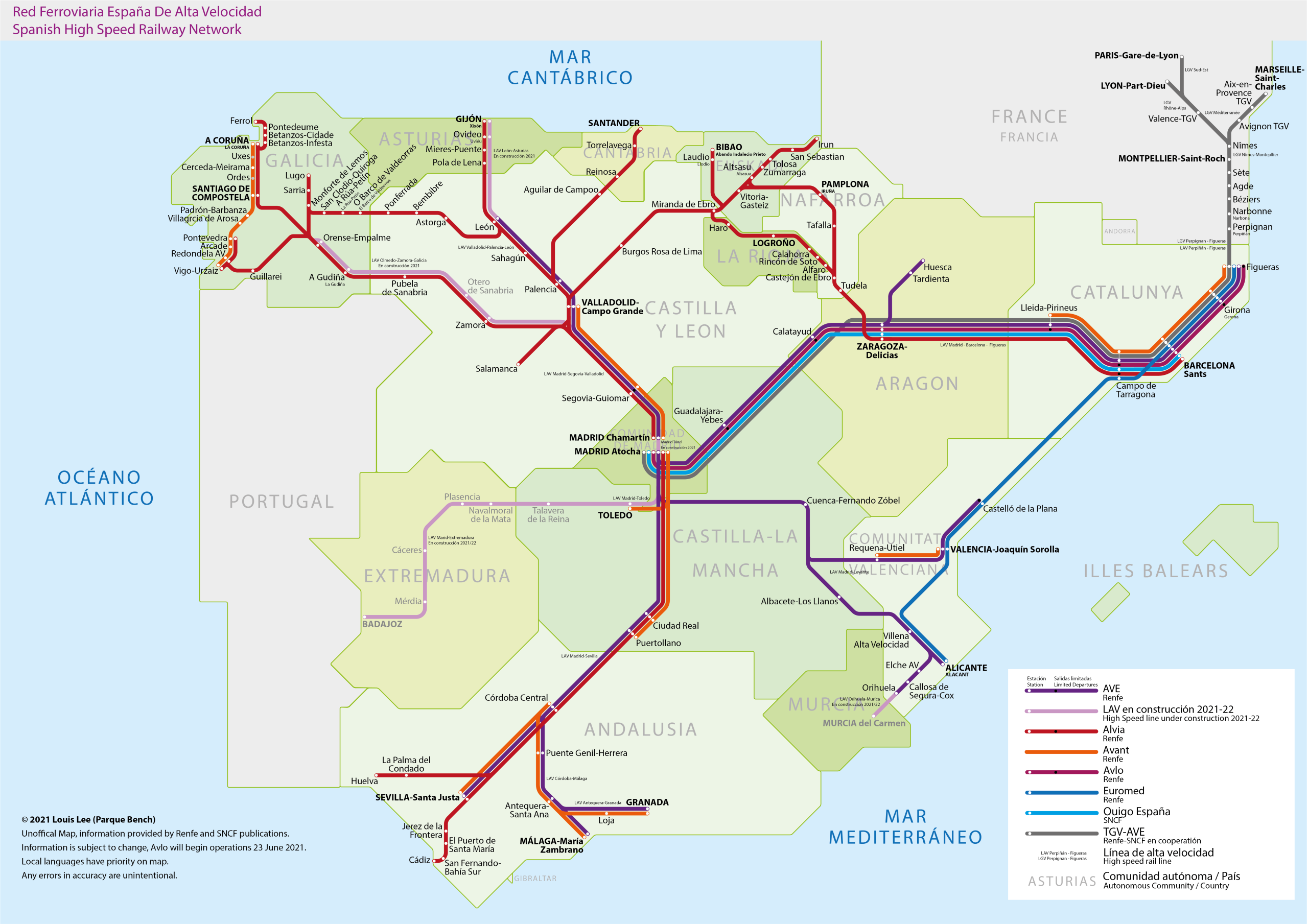
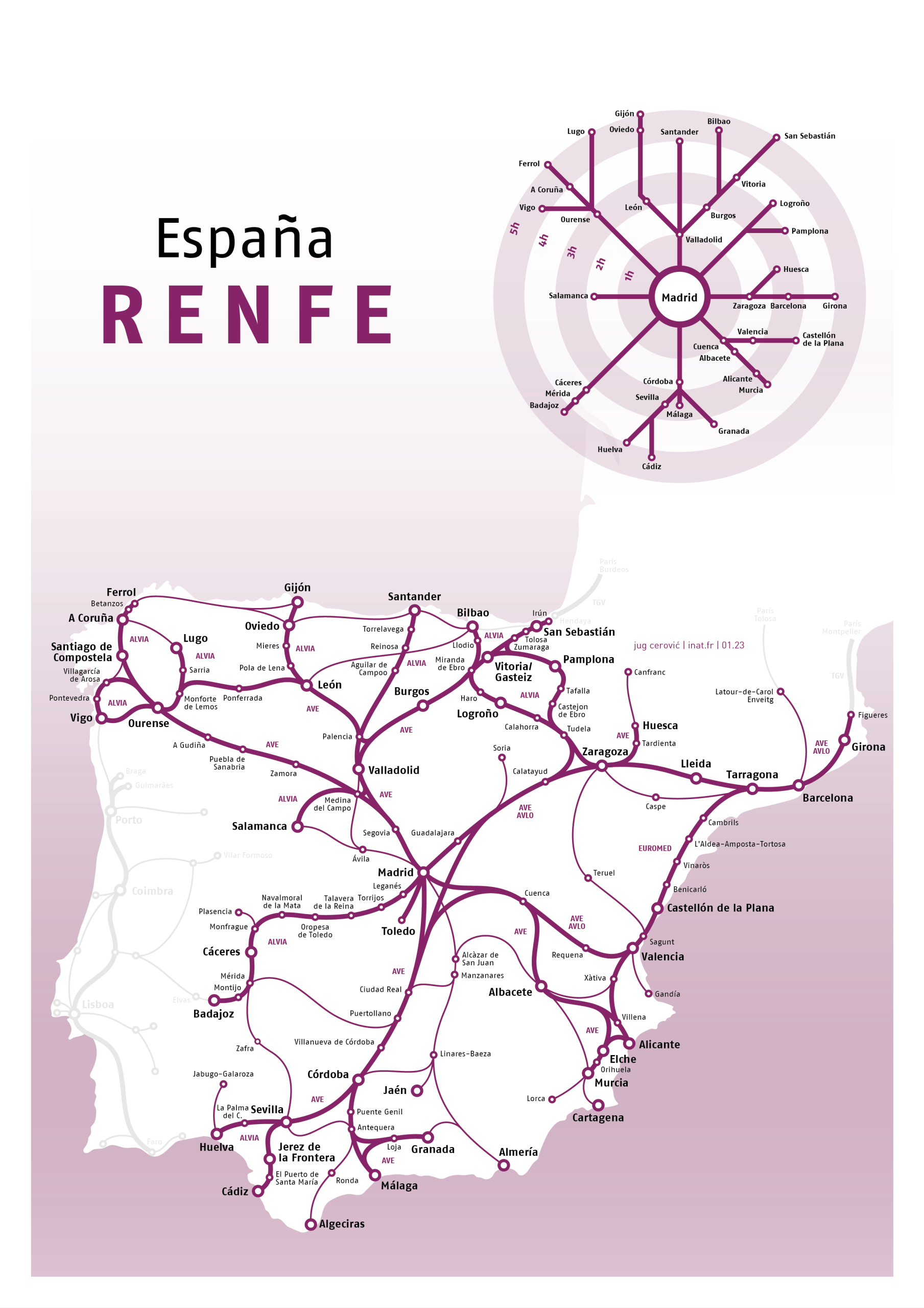
The AVE is Spain’s high-speed rail service and one of the most extensive in Europe. It reaches speeds of up to 350 km/h on some routes, making it possible to travel from Madrid to Barcelona in just 2.5 hours. The network stretches over more than 3,600 kilometers, connecting cities such as Madrid, Barcelona, Seville, Valencia, and Málaga, among others.
Conventional trains operated by Renfe include the following:
AVE: High-speed train connecting major cities, such as Madrid–Barcelona, Madrid–Seville and Madrid–Málaga.
Avant: Medium-distance high-speed train connecting smaller cities to the high-speed network.
Alvia: Long-distance train using a combination of high-speed and conventional tracks, providing connections between cities not fully covered by the AVE.
Altaria: High-speed train using the AVE network on parts of the journey, connecting Madrid with destinations in southern and eastern Spain.
TGV (Tren de Grande Vitesse): International high-speed train connecting Spain with France.
Euromed: High-speed train running along the Mediterranean coast, connecting cities such as Barcelona and Valencia with Alicante.
Talgo: Long-distance train with tilting technology that allows higher speeds on conventional tracks.
Media Distancia (MD): Trains for medium-distance routes, usually between major cities and nearby towns or regional centres.
Cercanías: Commuter trains that serve the suburbs around major cities and offer frequent and local services.
Feve: Narrow-gauge trains that serve certain regions, especially in northern Spain.
In addition, there are other regional train companies in Spain, such as FGC (Ferrocarrils de la Generalitat de Catalunya) in Catalonia and Euskotren in the Basque Country, which operate their local and regional rail networks. The country also has a growing network of private operators that operate certain routes, such as Ouigo, operated by the French company SNCF, and Avlo, a low-cost service offered by Renfe.
The Spanish rail system is renowned for its punctuality and modern infrastructure, making it a popular choice for both domestic and international travellers.
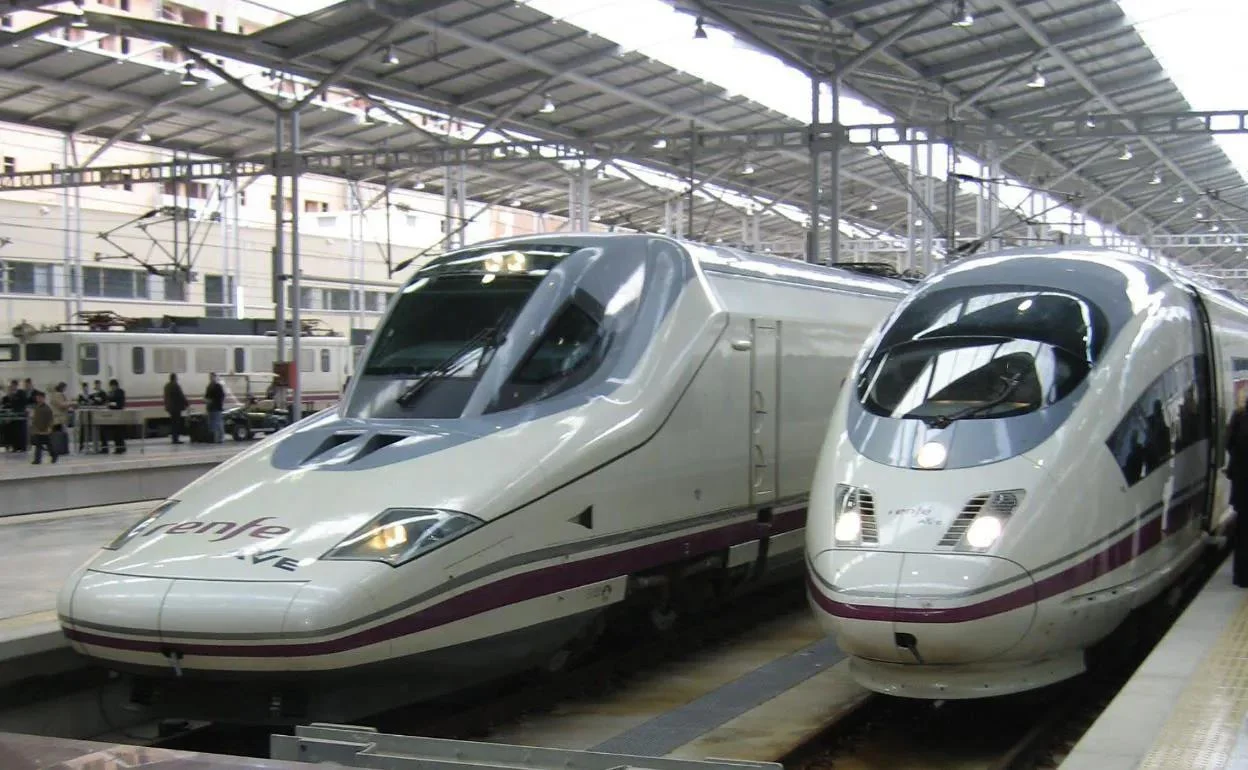
Renfe official website: Renfe is the main train operator in Spain. You can visit their website (www.renfe.com) to book your tickets online. The website is available in several languages, including English, and allows you to check train schedules, prices and availability. You can also buy tickets for high-speed trains such as AVE and Avant, as well as for long-distance and regional trains. After booking, you can receive your ticket by email or collect it at the station from a ticket machine or ticket office. It is also possible to book online through other providers, such as thetrainline.com, omio.com and trainoclock.com
Here you can find train times and prices:



 SV_SE
SV_SE  EN
EN