
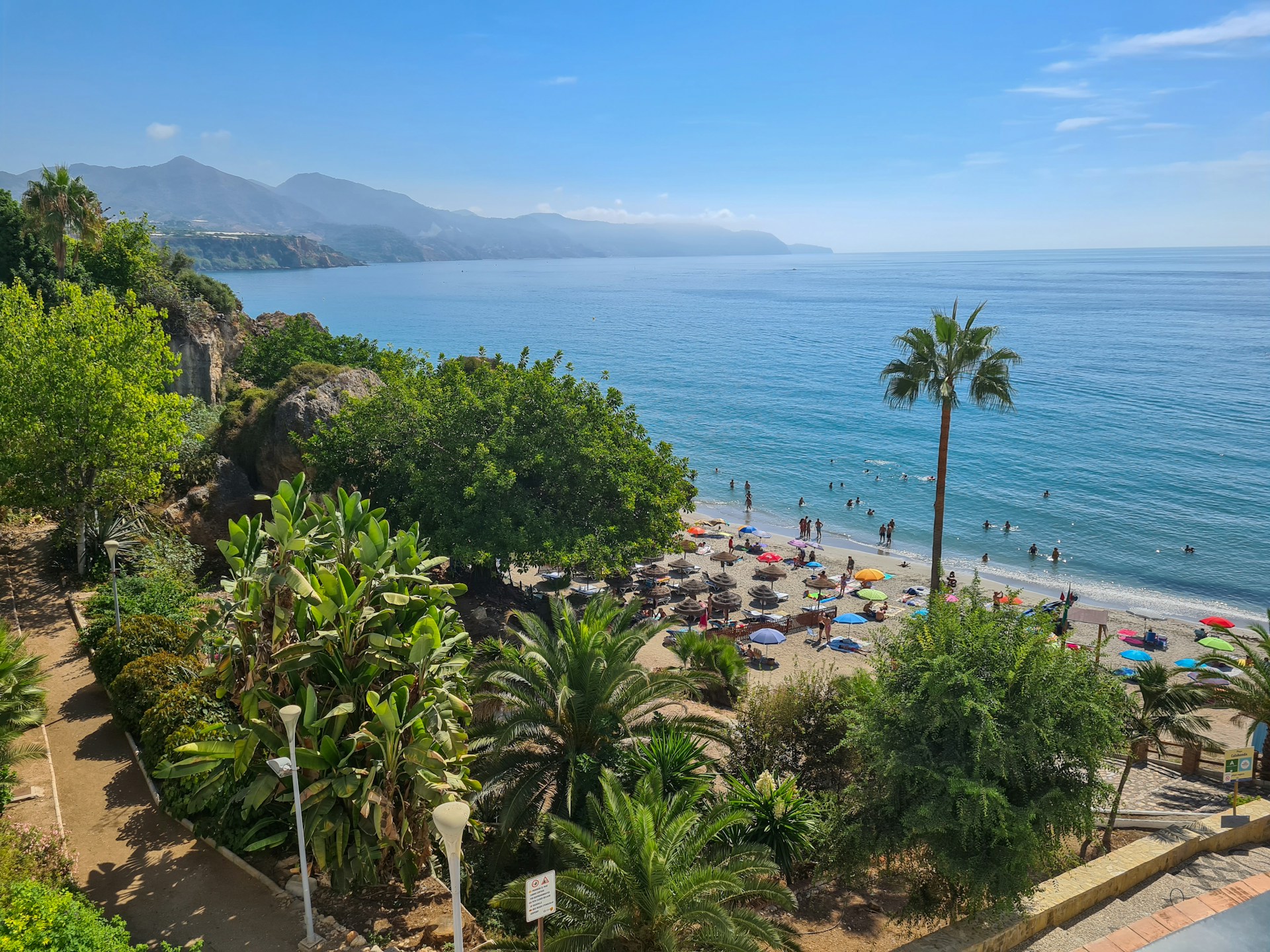
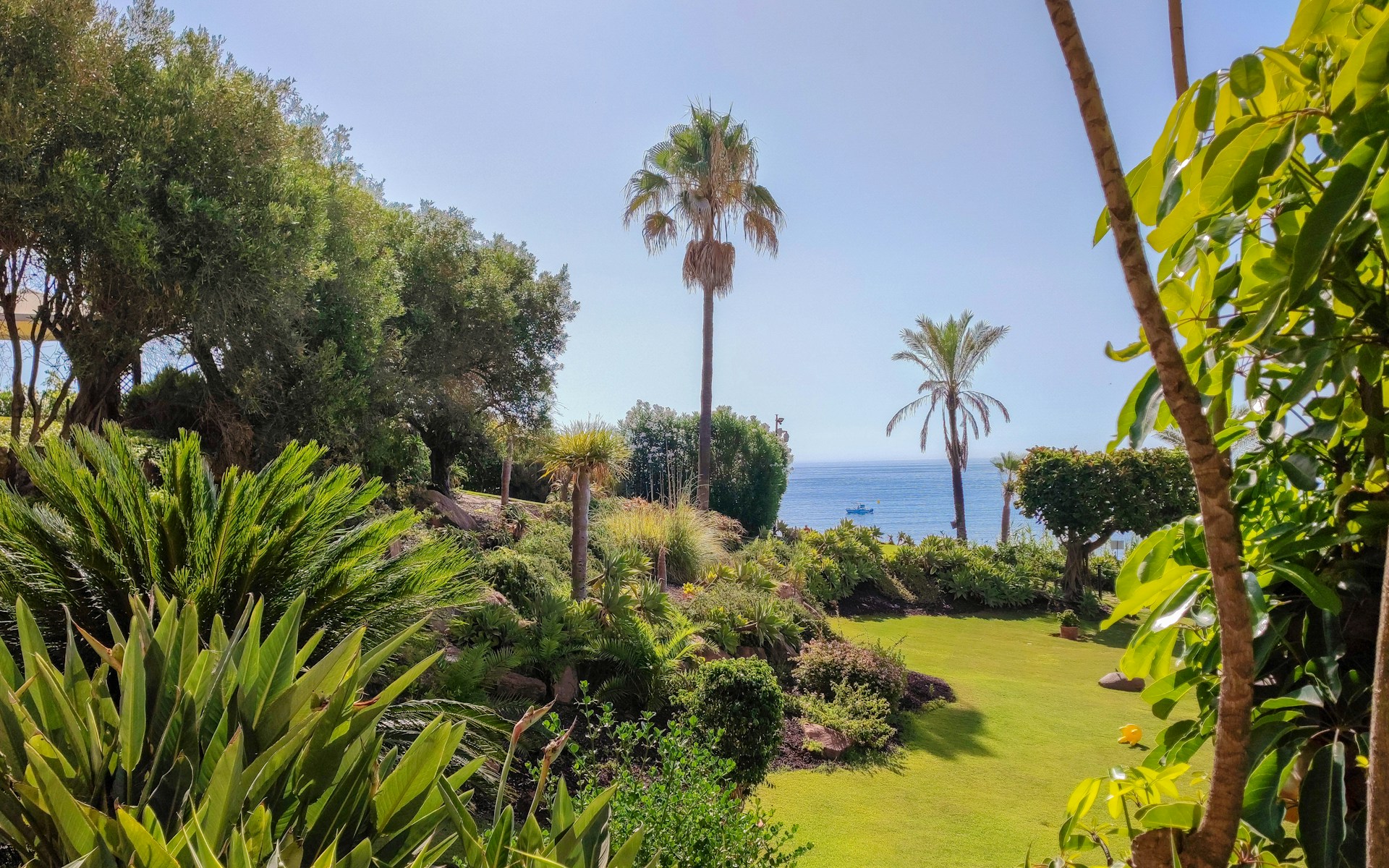
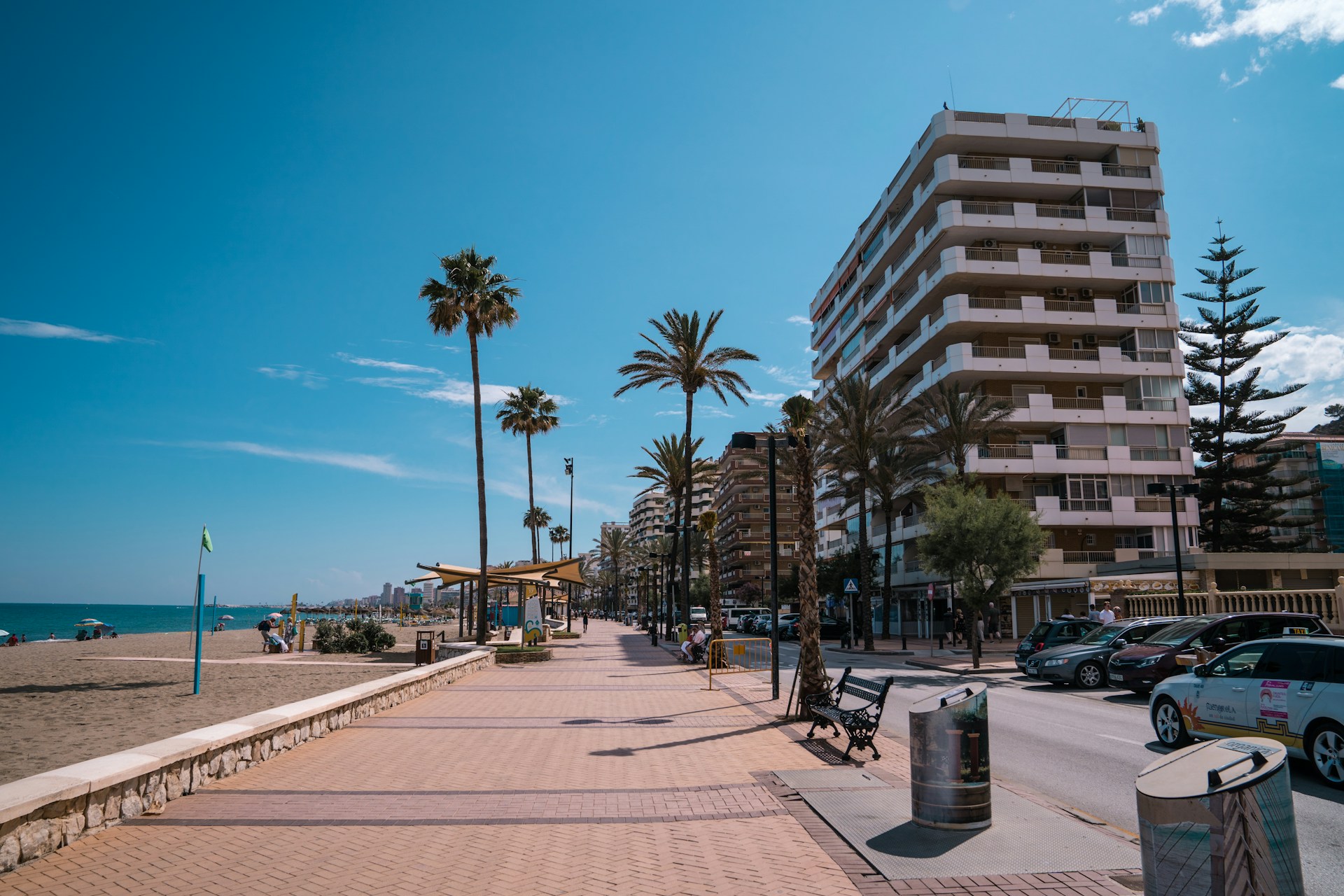
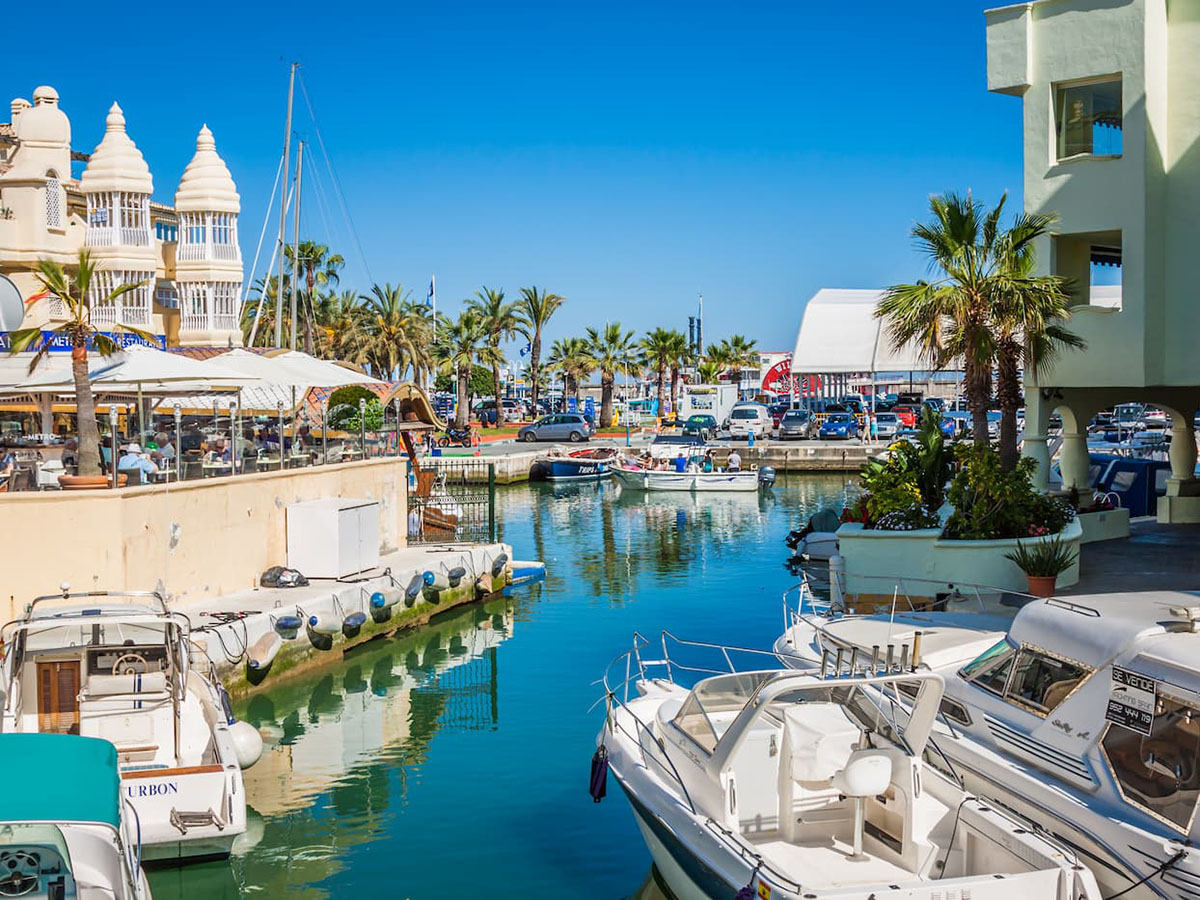
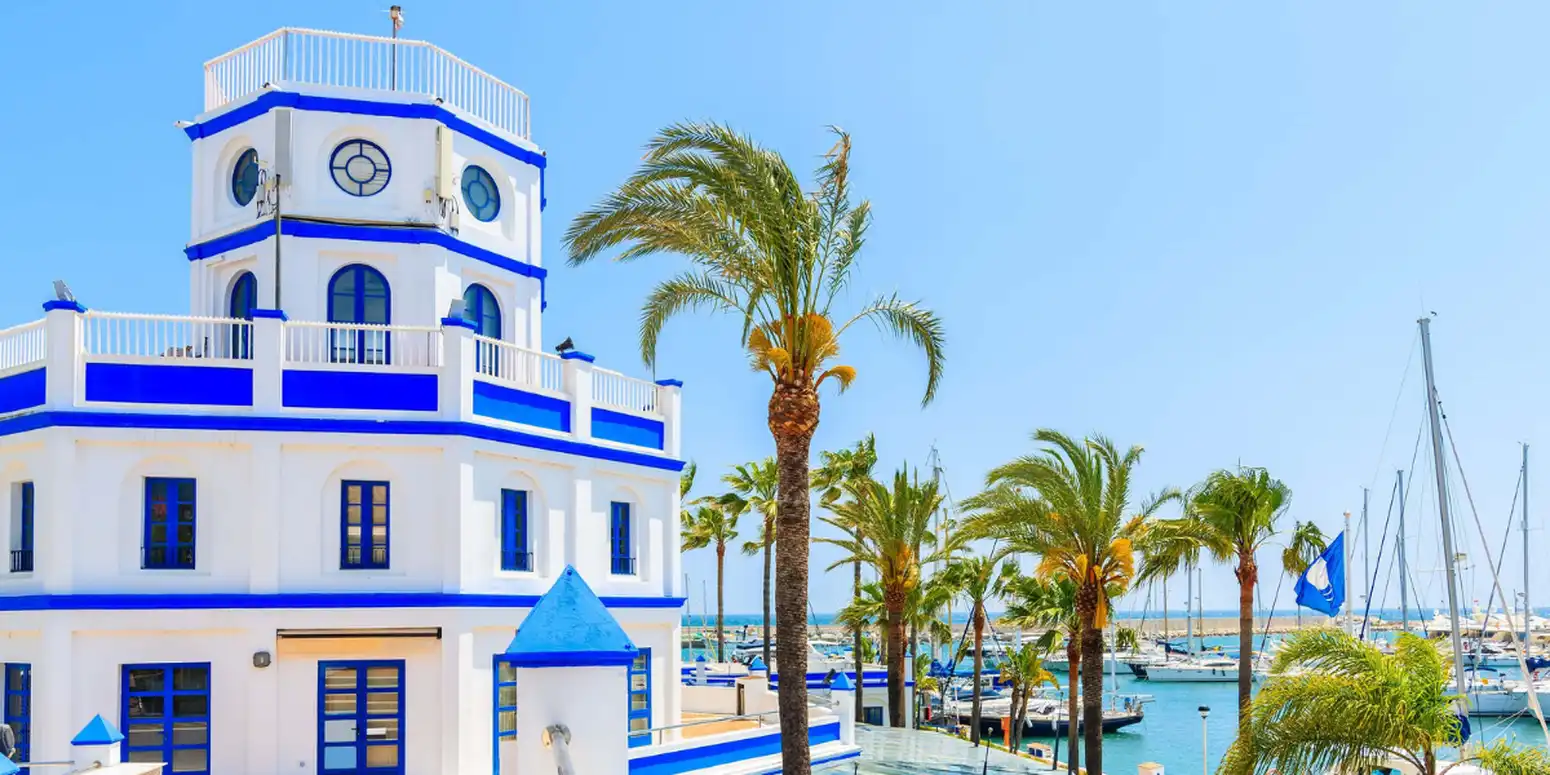
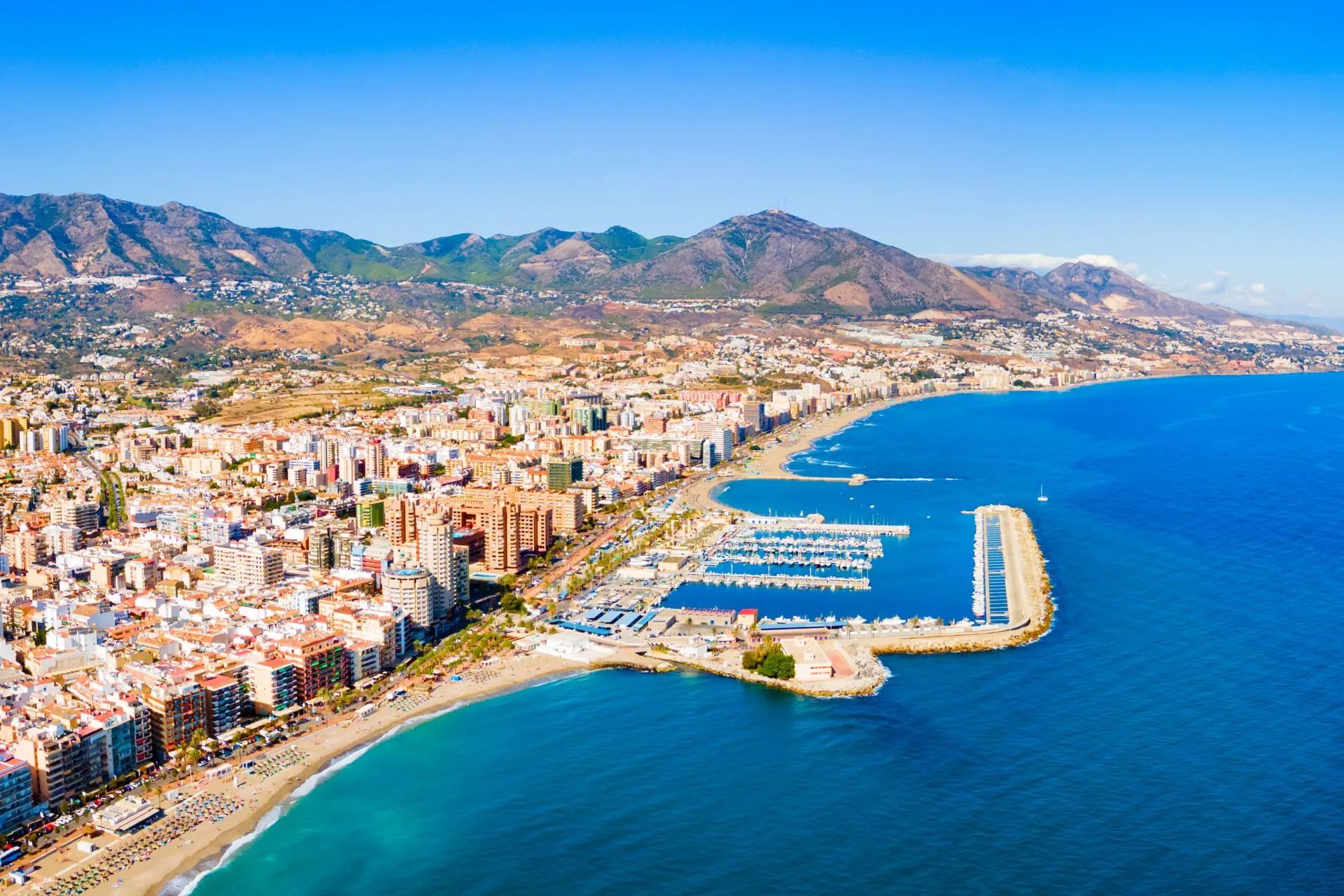
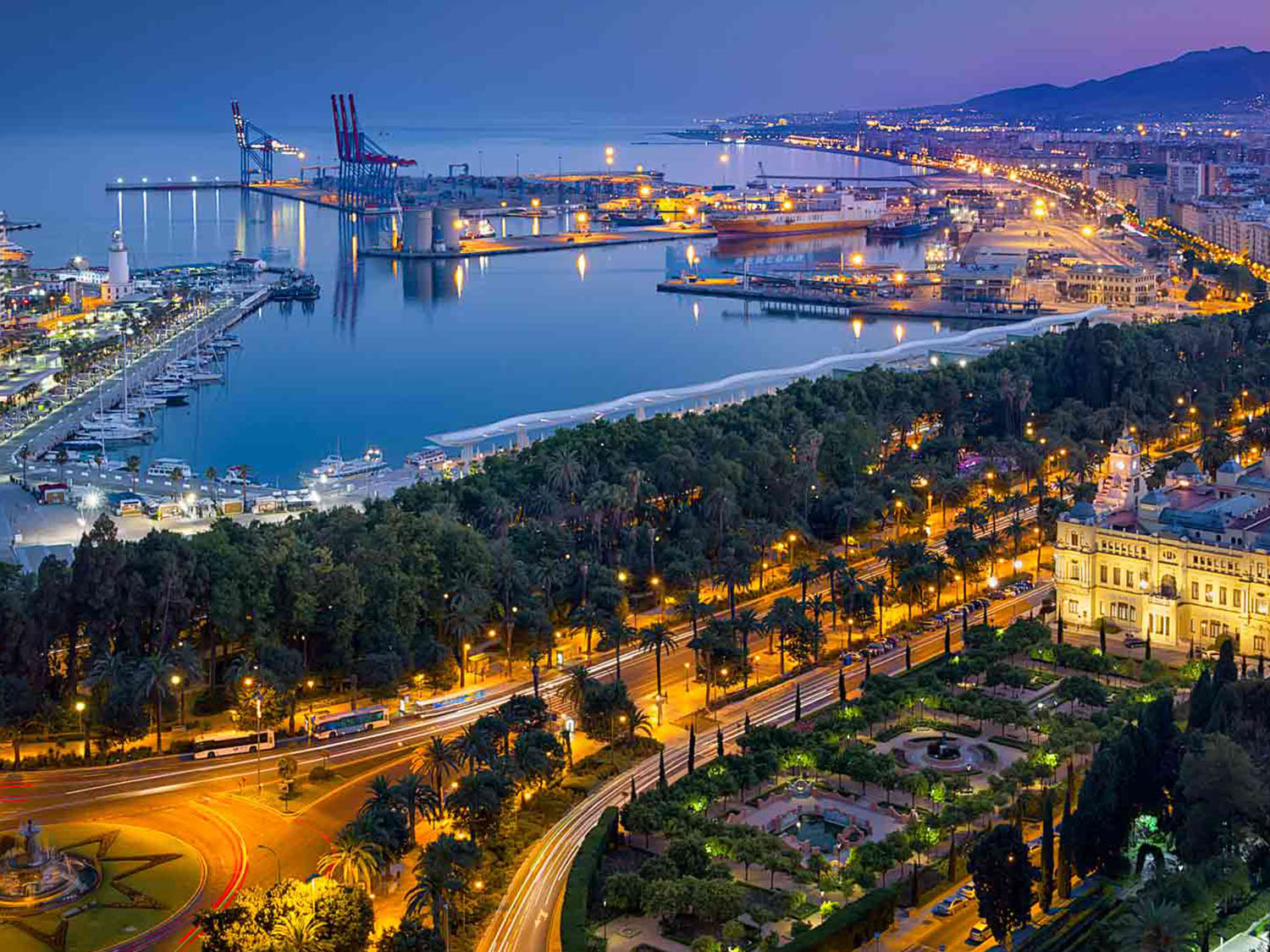
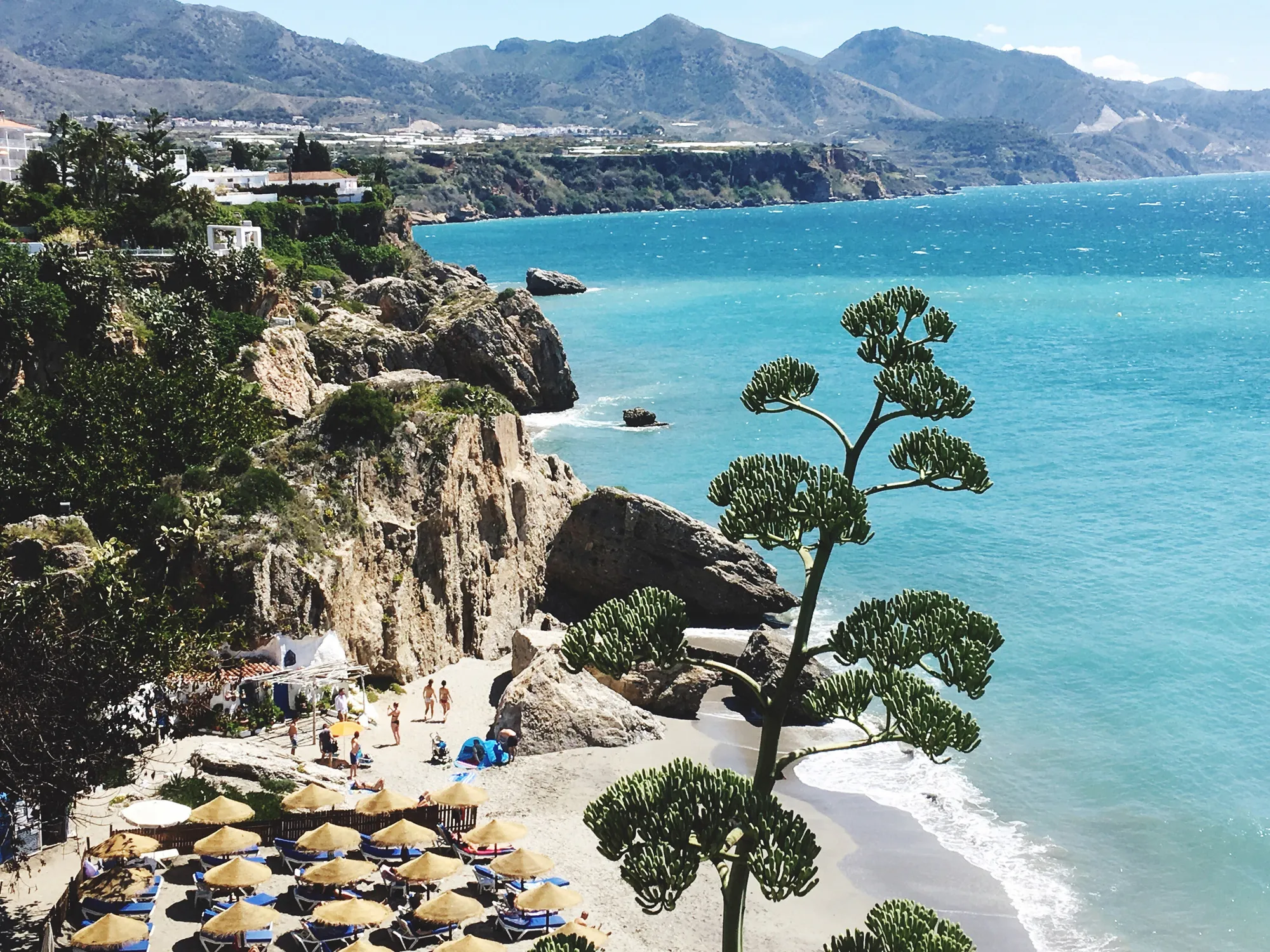
Costa del Sol is the name given to the part of the Andalusian coastline that stretches from Nerja in the east to Manilva in the west. The approximately 200-kilometer-long coastline from Nerja also includes the charming towns of Torre del Mar, the provincial capital of Málaga, lively Torremolinos, Benalmádena, Fuengirola, the glamorous city of Marbella, San Pedro de Alcántara and Estepona – each with its own character and history.
The Costa del Sol has also sometimes been considered the 300 km that stretches from Motril in the east to Cádiz in the west, and thus belongs to three provinces: Granada, Málaga and Cádiz. Nowadays, however, the part that lies in the province of Granada has been specified as the Costa Tropical, known for its exotic fruit-growing climate, and the part that lies in the province of Cádiz as the Costa de la Luz, famous for its wide sandy beaches and strong Atlantic winds. These distinctions help visitors better understand the enormous diversity along Andalusia’s southern coastline.
The coast, protected from the northerly winds and the mighty Sierra Nevada mountain range acting as a natural weather barrier, has mild winters, the highest average temperature on the peninsula and a sea with warm water even during the winter months. With more than 300 days of sunshine a year, the region truly lives up to its name – the Costa del Sol – and attracts visitors all year round from all over the world.
This region has always been an important crossroads and meeting place between cultures. Fishing and trading centres founded by the Phoenicians and Greeks flourished along the coast more than 3,000 years ago, and these early settlements were later reinforced and expanded by the Romans and Byzantines. Berbers, Italians and Jews settled along the coast, contributing to a rich cultural diversity, but Moorish pirates long made the coast dangerous and difficult to inhabit along the more exposed parts.
At the end of the 19th century, the region regained its cosmopolitan character, as the English, Germans and French helped to revive trade – especially with wine, raisins and ore from the rich mines in the hinterland. It was also during this period that the first modern tourists began to find their way to the sunny coast.
Today, the coast is almost entirely built up from east to west and has a very high population density. The tourism industry is the main source of income for the local population, especially during the busy summer months when the beaches, restaurants and entertainment options attract millions of visitors. But unlike many other tourist destinations in Europe, the Costa del Sol has also managed to develop a wide range of golf courses, luxury spas and international conference facilities, making the coast attractive even outside the high season.
The Costa del Sol has always had a knack for attracting celebrities and wealthy people from all over the world. The coast has long been home to international celebrities such as Sean Connery (the classic James Bond actor), singing legend Julio Iglesias and King Fahd of Saudi Arabia, as well as a number of Swedish celebrities and businessmen who have found their second home under the Spanish sunshine.
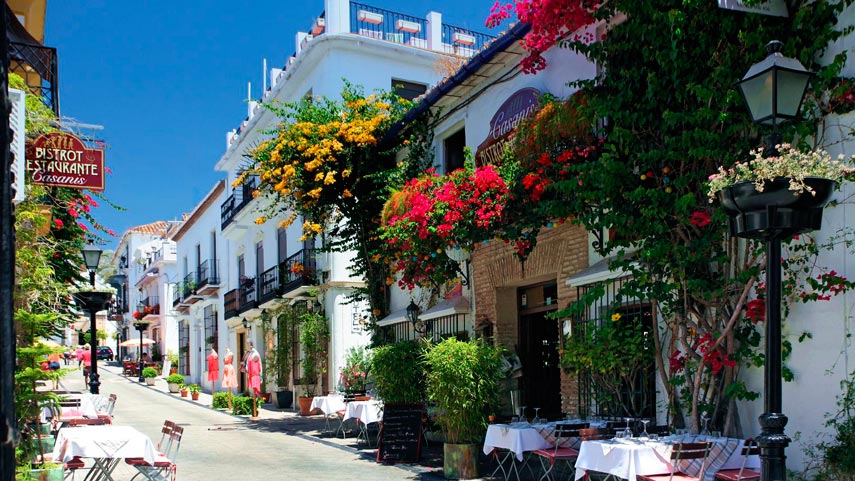
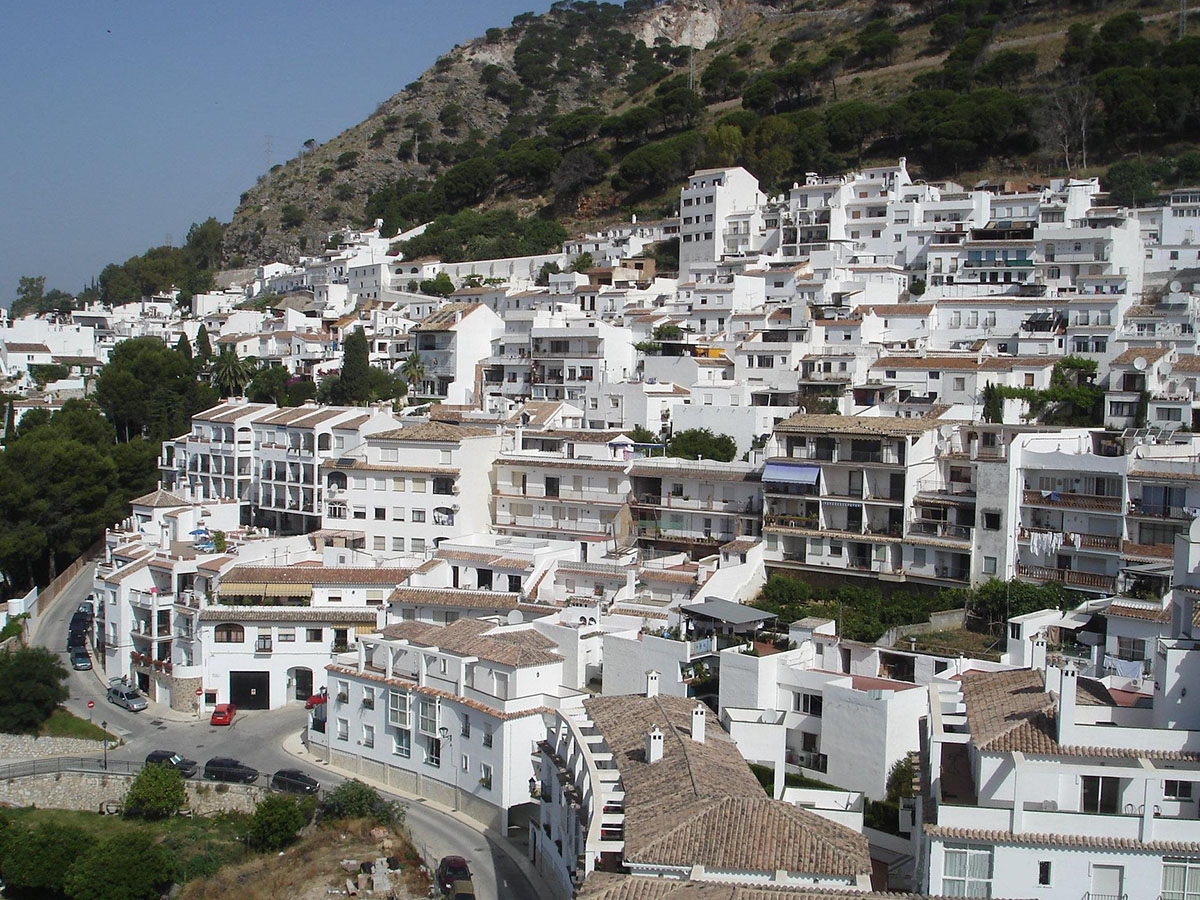
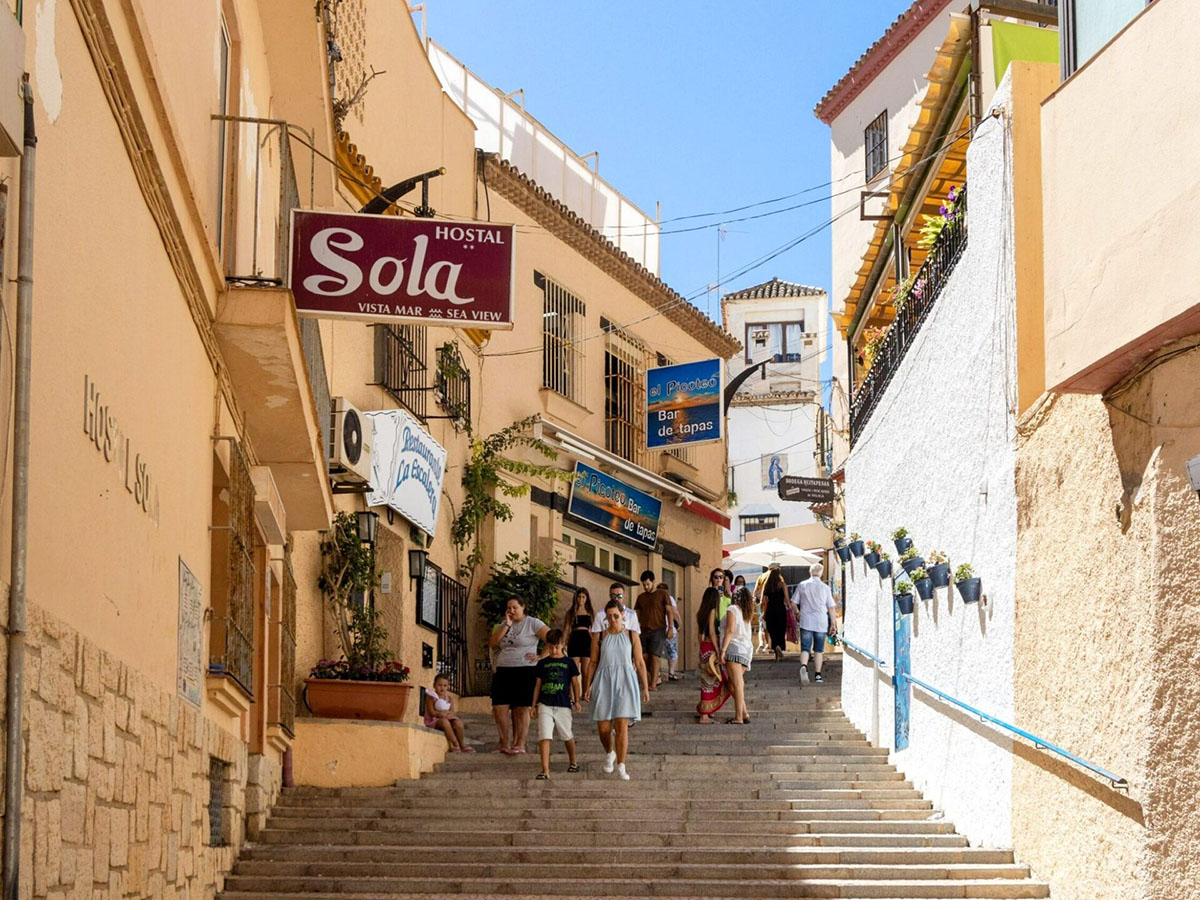
Here you can read more about the most important tourist towns on the Solkuste
Title: Dessi Årets Svenska på Costa del Sol. 2017, YouTube
 SV_SE
SV_SE  EN
EN